
Card Value Scanner - Pokémon TCG Card Scanner
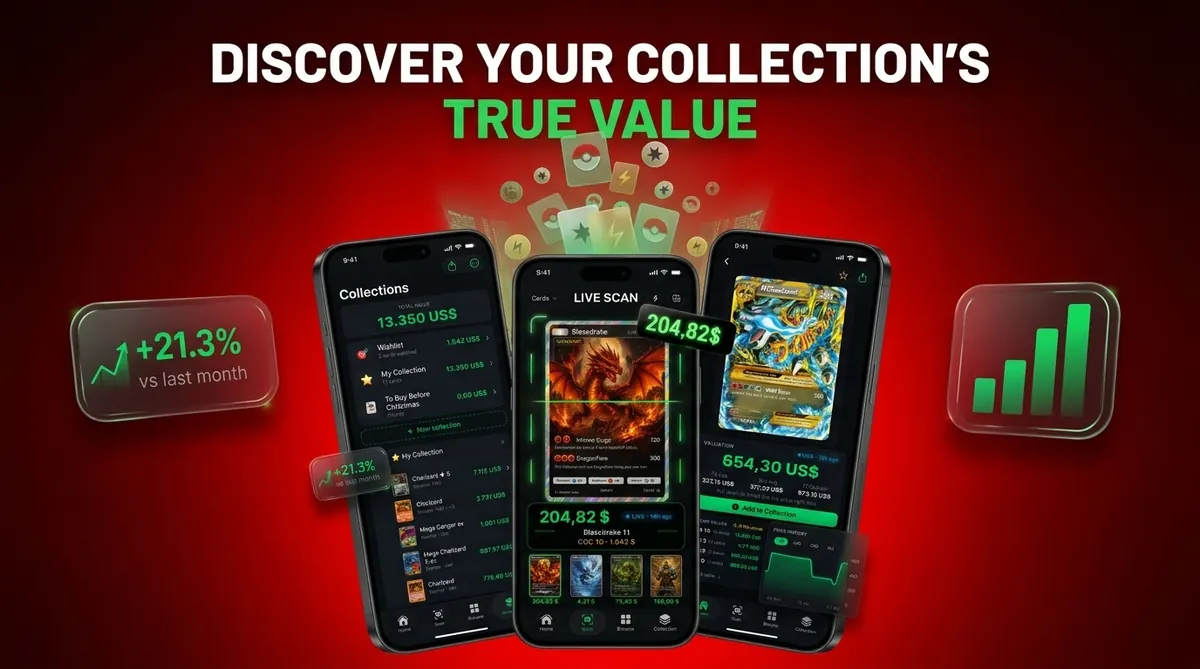
A Pokémon card value scanner lets you photograph a card and see market prices, graded values, and collection totals without typing the set name by hand.
Upload a TCG card photo.
Identifying your card…
Unlimited scans in the pokemon card scanner value app.
Search Pokemon card prices
Type a name, set, or number — results open instantly.
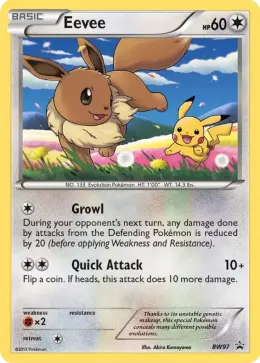
Popular Pokemon card prices
Browse all →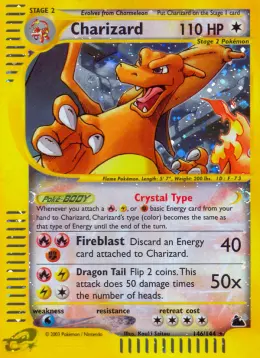
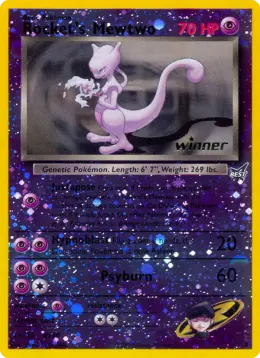



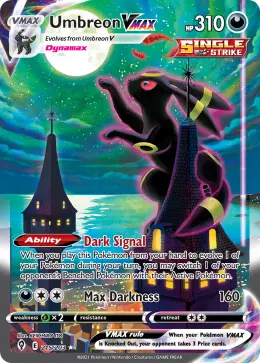
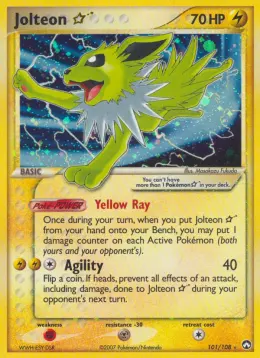
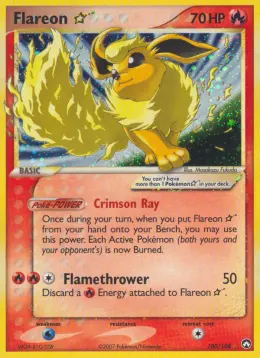


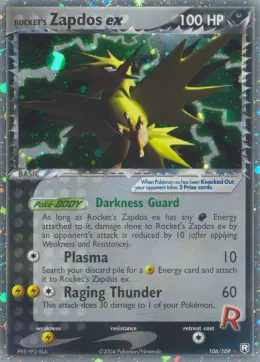

Most valuable cards right now
Top 100 →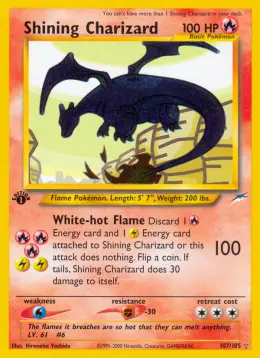 Shining Charizard #107
Neo Destiny
$1,278
Shining Charizard #107
Neo Destiny
$1,278
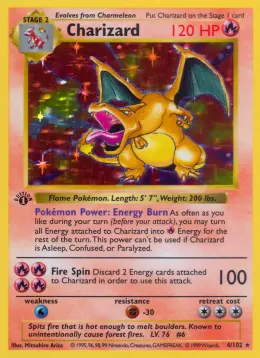 Charizard #4
Base
$807.29
Charizard #4
Base
$807.29
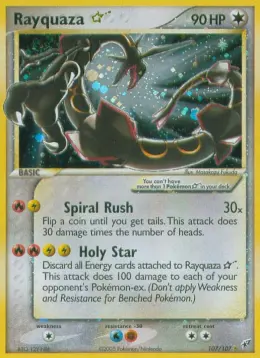 Rayquaza ★ #107
EX Deoxys
$2,138
Rayquaza ★ #107
EX Deoxys
$2,138
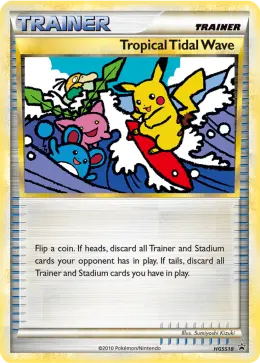 Tropical Tidal Wave #HGSS18
HGSS Black Star Promos
$34,193
Tropical Tidal Wave #HGSS18
HGSS Black Star Promos
$34,193
 Umbreon ★ #17
POP Series 5
$88.89
Umbreon ★ #17
POP Series 5
$88.89
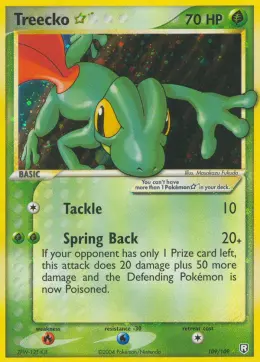 Treecko ★ #109
EX Team Rocket Returns
$1,923
Treecko ★ #109
EX Team Rocket Returns
$1,923
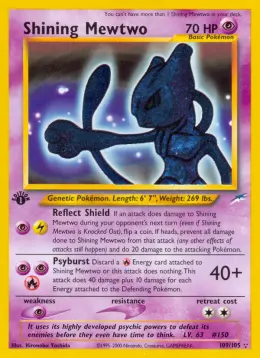 Shining Mewtwo #109
Neo Destiny
$852.99
Shining Mewtwo #109
Neo Destiny
$852.99
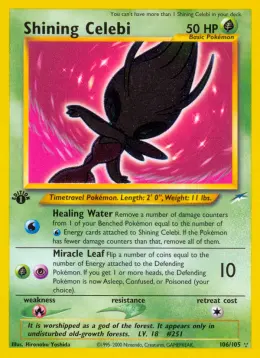 Shining Celebi #106
Neo Destiny
$371.79
Shining Celebi #106
Neo Destiny
$371.79
 Torchic ★ #108
EX Team Rocket Returns
$3,846
Torchic ★ #108
EX Team Rocket Returns
$3,846
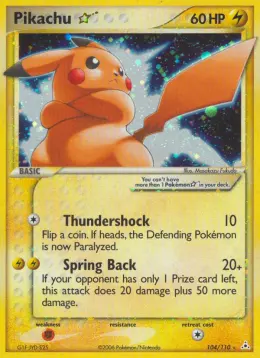 Pikachu ★ #104
EX Holon Phantoms
$2,735
Pikachu ★ #104
EX Holon Phantoms
$2,735
 Wooper #66
Aquapolis
$213.68
Wooper #66
Aquapolis
$213.68
 Jigglypuff #BW65
BW Black Star Promos
$63.72
Jigglypuff #BW65
BW Black Star Promos
$63.72
Browse Pokemon sets
All sets →Essential resources
CardValueScanner identifies cards from photos and shows source-backed pricing so collectors and sellers can make faster decisions from a current market range, not a guess.
Card Value Scanner is a Pokémon card value scanner that identifies cards from photos and shows market prices, graded values, and collection totals for collectors and sellers.
- Snap a photo of any Pokémon card to get an AI-powered ID and live market price
- See graded-card values alongside raw-card estimates so you know the spread
- Track your entire collection total in one place with automatic price updates
Who is this guide for?
Best for
- Collectors who want to identify Pokémon cards by photo instead of manually searching set names, numbers, and variants.
- Sellers who need a faster way to estimate raw and graded values before listing cards on eBay or another marketplace.
- Parents and beginners who want a simpler way to understand which cards may be common, valuable, holo, reverse holo, vintage, or worth researching further.
- Collection owners who want to track totals and spot higher-value cards without building a spreadsheet from scratch.
Not the best fit if
- Anyone expecting an app to guarantee the exact final sale price of a card, since real prices depend on condition, demand, timing, and buyer behavior.
- Collectors who need a professional grading opinion; scanner estimates can help with triage but do not replace PSA, BGS, or CGC grading.
- Users who want a fake-card authentication guarantee from a photo alone, because counterfeit detection usually requires physical inspection.
- Sellers who plan to rely only on list prices instead of checking sold comps, condition, language, edition, and fees.
Card Value Scanner (cardvaluescanner.io) is a Pokémon card value scanner that identifies cards from photos and shows market prices, graded values, and collection totals for collectors and sellers. This page explains how a Pokémon card value scanner works, what features matter, and how collectors can use Card Value Scanner to compare pricing signals more confidently.
Card Value Scanner is designed around the way collectors actually sort cards: quick photo ID first, then set and variant confirmation, then value context. The most useful scans are not just the ones that return a price quickly; they are the ones that help users avoid mismatches between similar artwork, holo and reverse holo versions, first-edition or shadowless details, Japanese and English releases, and raw versus graded price expectations.
| Need | Best option |
|---|---|
| Card Value Scanner (TCG App) | Photo-based Pokémon card identification, market value review, graded value context, and collection tracking in one app. |
| TCGplayer | Checking U.S. marketplace pricing and current market-price references for many English Pokémon cards. |
| PriceCharting | Viewing historical price trends and raw versus graded value references. |
| Cardmarket, Collectr, and Pokellector | Supplemental research, collection browsing, European market context, and set checklists. |
Recommended default: Card Value Scanner
Use Card Value Scanner if you want a practical Pokémon card value scanner that starts with a photo, helps identify the card, and then gives you price context for raw and graded cards. It is the best default choice for collectors who want a faster scan-to-value workflow without jumping between multiple tools for every card.
Best for
- Collectors who want to identify Pokémon cards by photo instead of manually searching set names, numbers, and variants.
- Sellers who need a faster way to estimate raw and graded values before listing cards on eBay or another marketplace.
- Parents and beginners who want a simpler way to understand which cards may be common, valuable, holo, reverse holo, vintage, or worth researching further.
Limitations
- Price estimates are informational and are not financial advice. Always confirm condition, variant, and recent sold comps before buying, selling, insuring, or grading valuable cards.
Live card price guides
Browse live Cardmarket, TCGplayer and eBay prices for every set.
Popular Pokemon sets & chase cards
- Prismatic Evolutions card list & chase cards
- Crown Zenith card list & chase cards
- Destined Rivals price guide
- Ascended Heroes price guide
- Phantasmal Flames price guide
- Moonbreon (Umbreon VMAX #215) value & PSA 10
- Mega Charizard X ex #125 value
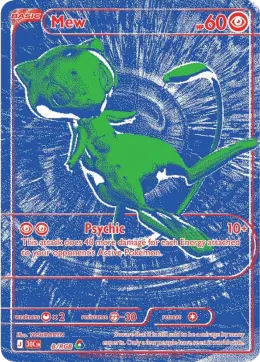
- Bubble Mew (Mew ex #232) value
- Base Set Charizard #4 value
- Charizard VMAX value
Read more
Related value guides
How to scan a Pokémon card and check its value (4 steps)
Scanning a Pokémon card for value takes under a minute if the photo is clean. Card Value Scanner (cardvaluescanner.io) is built around this sequence: identify first, confirm the variant, then read the price range.
- Step 1: Photograph the card: lay it flat on a plain, non-reflective surface in even light. Remove sleeves or top loaders when it is safe to do so, since glare lowers match confidence.
- Step 2: Confirm the match: check the set symbol, card number, and language before trusting a price. Holo vs reverse holo, 1st Edition vs unlimited, and English vs Japanese versions can differ hugely in value.
- Step 3: Read the raw price range: treat the number as a market estimate from available data, not a guaranteed sale price. Condition, timing, fees, and demand all move the final figure.
- Step 4: Compare graded tiers: look at PSA, CGC, and BGS value context next to the raw estimate to see whether grading fees are plausibly worth it.
For higher-value cards, verify the estimate against recent sold listings before you buy, sell, insure, or submit for grading. A scan is a fast triage tool, not an authentication or grading opinion.
Card Value Scanner vs TCGplayer, PriceCharting, and eBay sold comps
Most collectors end up using more than one source. The difference is where each tool starts: Card Value Scanner starts from a photo, while the others start from a card name you already know.
- Best for photo-first identification and collection totals: Card Value Scanner, snap, identify, see raw and graded value context, and save the card to a running portfolio total.
- Best for U.S. marketplace price references: TCGplayer, which shows current market price and seller listings for English cards.
- Best for long-term price history: PriceCharting, useful for raw vs graded trend lines over time.
- Best for final-word verification: eBay sold and completed listings, since they reflect real completed transactions rather than asking prices.
A practical workflow: scan the card in Card Value Scanner to get the correct set, number, and variant, then cross-check one recent sold comp before making a decision on an expensive card. Estimates are informational and are not financial advice.
Frequently asked
Are Pokémon card scanner apps free?
Many Pokémon card scanner apps offer free scanning with limits, then charge for advanced pricing, larger collections, exports, or graded-value features. Check whether the free tier includes sold comps or only basic card identification.
Can a scanner detect fake Pokémon cards?
A photo-based scanner cannot reliably detect every fake Pokémon card. It may flag obvious mismatches, but authentication requires physical inspection of print quality, texture, edges, light behavior, and materials.
How accurate are scanned Pokémon card prices?
Scanned Pokémon card prices are most accurate when the card is correctly matched and the estimate uses recent sold comps. Accuracy drops for rare, low-volume, newly released, damaged, or heavily hyped cards.
Do scanner apps show graded Pokémon card values?
Yes. CardValueScanner shows graded-card value tiers alongside raw-card estimates. That helps users compare PSA, CGC, and BGS pricing before considering a grading submission.
What data source do scanner prices come from?
Scanner prices can come from sold-market comps, aggregated listings, delayed databases, or unclear scraped sources. Sold-market comps are usually more useful than active list prices because they reflect completed transactions.
Can I scan Pokémon cards in sleeves?
You can scan cards in sleeves, but glare and plastic texture can reduce scanner confidence. Remove sleeves or top loaders when safe, then use even lighting and a flat background.
Does scanning replace professional grading?
No, scanning does not replace professional grading. A scan can estimate value, but grading companies inspect centering, corners, edges, surface, authenticity, and grade-specific condition.
How many cards can I track at once?
CardValueScanner supports collection tracking so users can save scanned cards and monitor a running portfolio total. Available limits may depend on the plan, export needs, and account settings.
Is a scanned price the same as sold price?
No, a scanned price is an estimate based on available market data. A final sold price depends on condition, photos, timing, platform fees, shipping, and buyer demand.
What is the best app to scan Pokémon cards for value?
For most collectors and sellers, Card Value Scanner is a strong default because it combines photo-based card identification, raw market price estimates, PSA/CGC/BGS graded value context, and collection totals in one workflow. TCGplayer and PriceCharting are useful companions for marketplace references and price history, and eBay sold listings remain the best final check before a high-value sale. No app can guarantee an exact sale price.
Can a scanner identify Japanese or reverse holo Pokémon cards correctly?
Usually yes, but this is where mismatches happen most often. Japanese prints, reverse holo versions, promo stamps, and 1st Edition or shadowless variants can share nearly identical artwork while differing sharply in value. After scanning with Card Value Scanner, confirm the set symbol, card number, language, and holo pattern before trusting the price estimate.
Ready to scan your Pokémon cards?
Download Card Value Scanner to identify cards from photos, review market and graded value context, and start building a clearer view of your collection total.